


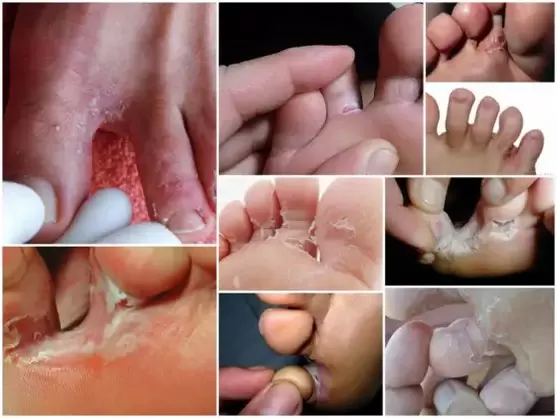
Mycosis is an unpleasant disease that requires immediate action as soon as you notice the first signs.Usually the fungus first appears between the toes, then affects the nails and the entire foot.According to statistics, every fifth person has encountered such a problem.
Causes of mycosis
We are constantly exposed to various pathogens, but as long as our immunity is good, we do not have to worry about our health.With a decrease in protective functions, there is a risk of becoming infected with a fungus.Violation of the integrity of the skin can also cause the entry of pathogenic microorganisms.The infection, getting deep into the epidermis, begins to multiply quickly and cover an increasingly larger area of the foot.
The main causes of interdigital fungus:
- Poor personal hygiene, sweating feet;
- Wearing tight, non-breathable shoes;
- Cuts, wounds and scratches on the skin of the feet;
- Vascular diseases (varicose veins);
- Metabolic problems (diabetes mellitus);
- Excess body weight.
Important!
Many people contract the infection when visiting public places: baths, saunas, swimming pools.In addition, the fungus is easily transmitted through household contact.Shoes, socks, even bedding can cause infection.
Symptoms of mycosis
Usually, mycosis first occurs on one leg and then moves to the second.The initial stage can pass almost unnoticed; itching, redness and peeling appear between the toes.Small cracks may form and deepen over time.If no measures are taken to remove the infection, the fungus can affect the nail and the rest of the foot.
If these signs appear, be sure to consult a doctor:
- Painful sensations between the fingers, itching and burning;
- Peeling;
- Unpleasant foot odor;
- Increased sweating of the feet;
- Thickening of the skin, appearance of calloused formations for no apparent reason;
- Change in skin color in the damaged area.
These symptoms indicate that you have interdigital mycosis.It causes a lot of inconvenience, and its treatment will take a lot of effort and time, so consult a doctor as soon as possible.
Stages of disease development
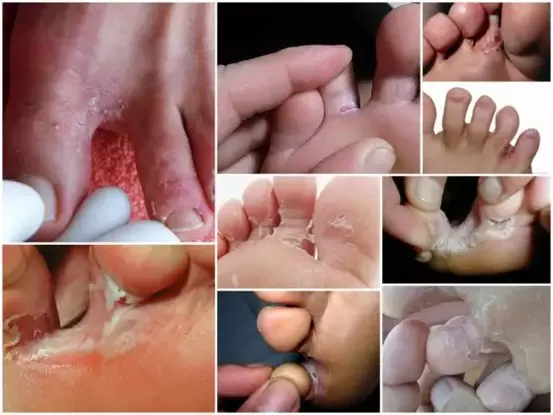
Like most diseases, toe fungus has several stages of development, each of which is characterized by different symptoms.The easiest way to fight the disease is at a very early stage, but an advanced form cannot be cured quickly - the duration of therapy will be 5-12 months.Let's look at what fungus looks like between the toes at different stages:
- At first, mycosis on the toes does not interfere at all.Few people pay attention to itching and flaking.Most often, the fungus appears first on the little toe.Meanwhile, fungal spores actively reproduce, covering an ever larger area.
- At the next stage, all the signs of the initial stage intensify: peeling becomes pronounced, itching and burning intensify, the color of the integument changes.The skin becomes rough, calluses and corns appear.At this stage, the fungus between the toes in the photo can be easily distinguished from other diseases.
- As the disease progresses, the patient's condition also worsens.The dryness gets worse, the cracks become deeper, and small blisters filled with clear liquid appear.And when these bubbles begin to burst, they bring even more discomfort.Wet fungus develops.Inflammation intensifies in the affected areas and swelling is added to it.
- In the advanced stage of mycosis, all symptoms become more obvious, pain increases, and problems with walking may occur.Toe fungus throughout the foot involves the nails, the skin under the toes and the entire sole of the foot.A white coating may appear on the affected area.
Treatment
Treatment of fungus between the toes is carried out under the supervision of a doctor.You can contact a dermatologist, dermatovenerologist, mycologist or infectious disease specialist for advice.Any of them will be able to create an individual therapy plan, and the patient will have to throw away washcloths and slippers, as well as disinfect all shoes.
Pharmacy drugs
Once the diagnosis is confirmed, treatment should be started immediately.There are inexpensive but effective drugs to eliminate fungal infections.Admission should be carried out only after consulting a doctor.
Preparations for oral administration
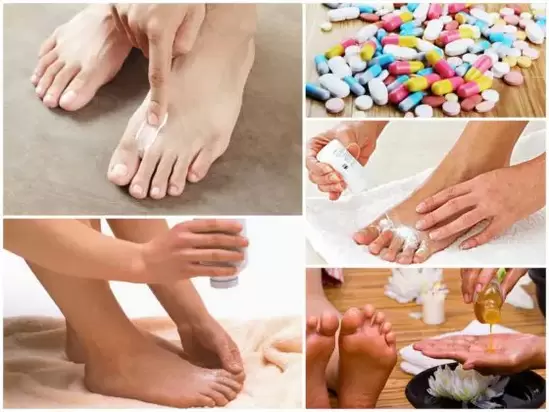
Tablets and capsules for fungus on the toes between the toes help eliminate the disease even in advanced cases.Medicines affect the condition of the entire body, so you need to be careful when taking them; before taking, be sure to read the list of contraindications and study the instructions.It is not recommended to take systemic medications for pregnant and lactating women, as well as people suffering from liver and kidney diseases.
Important!
To quickly get rid of fungus, it is recommended to combine topical products and oral tablets.But a doctor must prescribe these medications.
Medicines for application to the skin
Ointments are most effective for eliminating mycoses in the initial stage of development.Then, if you strictly follow all the specialist’s recommendations, you will soon forget about the fungus.Surface application products have virtually no contraindications and can be used to treat infections in adults and children.
Alternative medicine
There are various folk recipes that can be used for fungus on the feet between the toes.All of them have been tested over the years, but it is advisable to treat infection with caution - incorrectly selected therapy can cause accelerated proliferation of mycotic microorganisms.
Note!
For maximum effectiveness, doctors recommend preparing the skin before applying ointments, both homemade and pharmaceutical ones.To do this, just steam the legs in a soap bath for 15 minutes.
Recipes for the most effective ointments that can be prepared at home:
- Mix iodine, glycerin and vinegar in equal proportions, pour into water in a ratio of 1:2.Apply the solution to the area of your fingers with fungus and leave it overnight.This product disinfects, softens and reduces the size of cracks.Treatment consists of 10-15 sessions.
- Rubbing with onion juice helps destroy fungal spores and prevents the further spread of infection.Wipe the damaged areas of the skin daily with a swab soaked in onion juice.After the procedure, rinse your feet thoroughly with warm running water.Treatment is carried out daily until complete recovery.
- Chop a couple of cloves of garlic and add them with 100 g of butter.Apply the resulting mixture to the damaged area daily for 2-3 weeks.
Treatment of fungus in children
Medicines to treat fungus can be used in children over 2 years of age.Use natural products that have a minimal risk of allergies.
Important!
Treatment of fungal infections in children is carried out only under the supervision of a doctor.The duration of taking the drug and dosage are calculated individually by a specialist.
Prevention
It will take a lot of effort, time and money to cure fungus between the toes, so it is better to prevent infection.Basic rules for the prevention of mycosis:
- Compliance with the rules of personal hygiene: wash your feet daily, use special deodorants for excessive sweating, and emollient creams for dryness;
- Be sure to wear slippers in public places, do not wear other people's shoes;
- Choose comfortable, non-squeezing shoes;
- Take care of your health and strengthen your immune system.
First of all, the fungus appears in the interdigital space.If you experience itching, redness, cracks and inflammation on your legs, then do not delay, immediately make an appointment with a doctor, he will tell you how and how to treat mycosis.After examination and tests, if the diagnosis is confirmed, the doctor will write out an individual treatment plan, which will depend on the stage of the disease and contraindications.The most effective therapy includes both medication and home recipes.